
Mild hyperbaric oxygen chambers have become one of the most talked-about recovery and longevity technologies of the decade. From professional athletes and biohackers to wellness clinics and integrative medicine practitioners, mHBOT (mild hyperbaric oxygen therapy) has evolved from a niche clinical tool into a mainstream health optimization solution. This complete guide answers the most important questions — backed by peer-reviewed research, regulatory context, and practical buying advice — so you can make informed decisions about whether mild hyperbaric oxygen therapy is right for you.
1. What Is a Mild Hyperbaric Oxygen Chamber?
1. Long-Term Oxygen Users
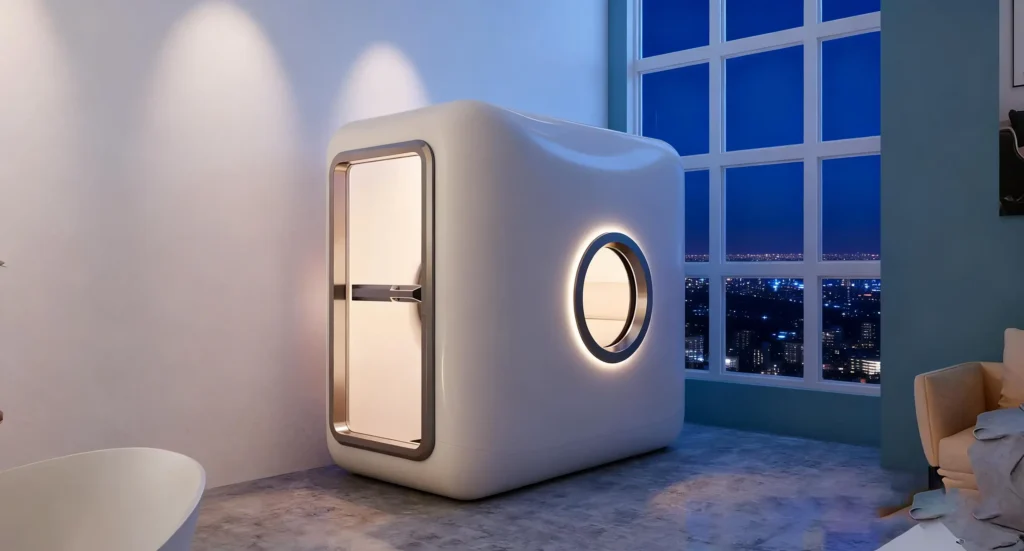
A mild hyperbaric oxygen chamber (mHBOT) is a pressurized enclosure designed to allow individuals to breathe air — or supplemental oxygen — at atmospheric pressures slightly above normal sea level. Most mild chambers operate between 1.3 and 1.5 atmospheres absolute (ATA).
The term “mild” distinguishes this category from traditional medical-grade hyperbaric oxygen therapy (HBOT), which is conducted in hospital or clinical settings at pressures of 2.0 ATA or higher, using 100% pure oxygen. Mild hyperbaric chambers come in two primary formats:
Softshell Chambers
Inflatable, portable units made from reinforced polyurethane or nylon. These are the most widely used for home and wellness settings.
Hardshell Chambers
Rigid, cylindrical units made from acrylic or steel. More durable and capable of reaching higher pressures, often found in clinics.
The market for home and wellness hyperbaric chambers has grown dramatically. As of 2026, an estimated 18,000+ portable units are in use worldwide, and the number of wellness spas offering mHBOT has grown by an estimated 30–50% since 2020 — driven by post-pandemic interest in health optimization and recovery.
2. How Does mHBOT Work? The Science Behind the Pressure
Under normal conditions (1.0 ATA at sea level), oxygen is primarily carried by hemoglobin — the protein inside red blood cells. Hemoglobin is already 97–99% saturated under normal conditions, meaning there is very little room to increase oxygen delivery through this pathway alone.
This is where pressure changes everything. According to Henry’s Law of Physics, the amount of a gas that dissolves in a liquid is directly proportional to the partial pressure of that gas above the liquid. When pressure inside a hyperbaric chamber increases to 1.3–1.5 ATA and supplemental oxygen is added, oxygen dissolves directly into the blood plasma — bypassing hemoglobin entirely.
At normal atmospheric pressure, the partial pressure of oxygen is approximately 159.6 mmHg. At 1.5 ATA with concentrated oxygen delivery, alveolar oxygen pressure can exceed 1,000 mmHg. This dramatic increase allows oxygen to reach hypoxic (oxygen-deprived) tissues that conventional circulation cannot adequately serve.
Beyond simple oxygen delivery, repeated sessions of hyperbaric exposure trigger what researchers call the “hyperoxic-hypoxic paradox” — alternating states of high and lower oxygen that activate the same biological pathways as hypoxia, including:
- Upregulation of Hypoxia-Inducible Factor (HIF-1α)
- Stimulation of Vascular Endothelial Growth Factor (VEGF) — promoting new blood vessel growth (angiogenesis)
- Increased expression of sirtuins (SIRT) — proteins associated with longevity and metabolic regulation
- Promotion of mitochondrial biogenesis — supporting cellular energy production
- Activation of stem cell proliferation and neurogenesis
These cellular-level mechanisms, confirmed in multiple peer-reviewed publications, are central to the broad range of benefits being studied and reported with mild hyperbaric oxygen therapy.
3. Mild HBOT vs. Standard Medical HBOT: Key Differences
Understanding the distinction between mild and clinical HBOT is critical for setting appropriate expectations. The table below summarizes the most important differences:
| Feature | Mild HBOT (mHBOT) | Standard Medical HBOT |
|---|---|---|
| Pressure Range | 1.3 – 1.5 ATA | 2.0 – 3.0 ATA |
| Oxygen Concentration | Air or 30–40% O₂ | Near 100% medical-grade O₂ |
| Setting | Home or wellness clinic | Hospital or accredited clinic |
| Medical Supervision | Not typically required | Required (physician-supervised) |
| FDA-Approved Indications | None (wellness/off-label) | 13+ approved medical conditions |
| Cost Per Session | $50 – $150 | $200 – $500+ |
| Primary Use Case | Wellness, recovery, optimization | Treatment of specific pathologies |
| Chamber Type | Softshell or hardshell | Hard-sided (ASME-PVHO-1 standard) |
It is important to note that the Undersea and Hyperbaric Medical Society (UHMS) — the leading authority in hyperbaric medicine — currently classifies treatments below 1.5 ATA as “unproven” for the same indications as standard HBOT. All UHMS-approved medical indications require a minimum of 2.0 ATA with near 100% oxygen. This does not mean mild hyperbaric therapy has no value — it reflects the regulatory distinction between clinical treatment and wellness optimization.
4. What Are the Benefits of Mild Hyperbaric Oxygen Therapy?
Research into mild hyperbaric oxygen therapy is expanding rapidly. Below are the most evidence-supported areas of benefit:
Athletic Recovery & Performance
Among the most well-documented applications of mHBOT is its use in sports recovery. mHBOT supports the clearance of lactic acid and metabolic byproducts. It reduces inflammation in stressed tissues and accelerates cellular repair.
A notable real-world example: at the 1998 Nagano Winter Olympics, seven Olympic athletes received mild HBO treatment at 1.3 ATA for 30–40 minutes to manage physical fatigue — all reporting faster recovery rates that allowed them to continue competing.
A 2024 study published in ScienceDirect examined mild hyperbaric oxygen therapy at 1.25 ATA on Chinese national-level athletes following 90-minute cycling sessions. The study measured biomarkers including creatine kinase, lactate dehydrogenase, lactic acid, and oxidative stress markers. Repeated mHBOT sessions supported measurable improvements in physiological recovery compared to controls.
A randomized, placebo-controlled trial in Sports Medicine — Open studied 40 HBOT sessions in middle-aged master athletes. Results showed a significant increase in VO2Max and anaerobic threshold performance. Effect sizes were 0.989 and 0.837 respectively. Importantly, these gains persisted more than one week after the final session — indicating true biological adaptation.
Anti-Aging & Cellular Longevity
Perhaps the most scientifically groundbreaking area of hyperbaric research involves its effects on the biological hallmarks of aging — specifically telomere length and cellular senescence. Telomeres are protective caps at the ends of chromosomes. As cells divide, telomeres naturally shorten — a primary driver of biological aging and age-related disease.
A landmark 2020 prospective trial published in the journal Aging (Hachmo et al., Shamir Medical Center, Tel-Aviv University) enrolled 35 healthy adults aged 64 and older and subjected them to 60 daily HBOT sessions. Results were remarkable: telomere length in T helper, T cytotoxic, natural killer, and B cells increased by over 20%. B cells showed the most significant elongation — increasing by more than 37% post-treatment. The concentration of senescent T helper cells decreased by 37.3%, and senescent T-cytotoxic cells declined by approximately 11%.
A 2024 review published in Frontiers in Aging (Gupta & Rathored) further confirmed that hyperbaric oxygen therapy affects physiological processes at the genetic level. It alters gene expression, delays cell senescence, and supports telomere length maintenance — positioning it as a powerful candidate in regenerative and anti-aging medicine.
Brain Health & Neurological Support
The brain is uniquely vulnerable to oxygen deprivation. Research published in Frontiers in Neurology documented multiple mechanisms by which HBOT supports brain recovery: anti-inflammatory effects, stem cell recruitment, angiogenesis, increased cerebral blood flow, mitochondrial function restoration, and neurogenesis.
A 2024 randomized controlled trial published in Scientific Reports (Hadanny et al.) followed 31 long COVID patients who completed 40 daily HBOT sessions. One year after the final session, patients continued to show quality-of-life improvements across cognition, psychiatric well-being, fatigue, sleep, and pain — one of the strongest long-term datasets in this field to date.
For healthy individuals, mild HBOT shows associations with improvements in memory, focus, mental clarity, and sleep quality — effects attributed to improved cerebral oxygenation and reduced neuroinflammation.
Immune System Enhancement
A 2023 crossover randomized controlled trial published in PMC investigated the immunological effects of mild HBO at 1.4 ATA in healthy young women. The study found that mild hyperbaric oxygen enhances oxygen absorption in blood and relieves fatigue without causing oxidative stress. NK (natural killer) cell activity showed positive influence — a finding with implications for immune defense against infections and cancer surveillance.
Wound Healing & Inflammation Reduction
Oxygen is required for collagen synthesis, fibroblast proliferation, and the function of immune cells responsible for fighting infection in wounds. By saturating plasma and tissue fluids with dissolved oxygen at elevated pressure, mHBOT supports faster closure of wounds, diabetic ulcers, and post-surgical sites. A 2024 PMC review confirmed that HBOT plays a central function in vascularization, angiogenesis, and collagen production — all critical components of tissue regeneration.
Chronic inflammatory conditions — including fibromyalgia, Lyme disease, and autoimmune disorders — are also areas where patients and clinicians explore mHBOT as a complementary intervention, given its documented effects on downregulating pro-inflammatory cytokines.
Long COVID & Post-Viral Recovery
One of the most compelling emerging applications for hyperbaric therapy is post-COVID syndrome (“long COVID”). Patients frequently report persistent fatigue, cognitive dysfunction, sleep disturbances, and pain lasting months or years after initial infection.
An international registry study published in the Interactive Journal of Medical Research (2024), drawing data from 32 centers across the US, UK, and Australia, identified post-COVID condition as one of the most prominent emerging indications being explored with hyperbaric oxygen therapy.
The one-year follow-up RCT by Hadanny et al. in Scientific Reports (2024) documented significant and lasting improvements in cognitive, psychiatric, fatigue, sleep, and pain domains — representing the strongest long-term dataset in this emerging field. Current research focuses on mHBOT’s ability to address the underlying pathology: cerebral hypoperfusion, neuroinflammation, mitochondrial dysfunction, and microbiome disruption.
5. What Does the Research Say? Key Studies at a Glance
| Study | Journal/Source | Population | Key Finding |
|---|---|---|---|
| Hachmo et al. (2020) | Aging journal | 35 adults 64+; 60 sessions | Telomere length +20%, senescent cells -37% |
| Hadanny et al. (2024) | Scientific Reports | 31 long COVID; 40 sessions | Cognition, sleep, pain improved at 1-year follow-up |
| RCT (2022) | Sports Medicine – Open | 37 mid-age athletes; 40 sessions | VO2Max and anaerobic threshold significantly increased |
| ScienceDirect (2024) | Controlled crossover | 12 elite athletes; 1.25 ATA | Improved muscle fatigue recovery biomarkers |
| PMC (2023) | Crossover RCT | Healthy young women; 1.4 ATA | NK cell activity enhanced without oxidative stress |
| Gupta & Rathored (2024) | Frontiers in Aging | Systematic review | HBOT supports telomere maintenance, anti-aging genes, neurogenesis |
Important caveat: Many studies involve standard medical HBOT (2.0+ ATA, 100% O₂), not mild pressure ranges specifically. Research at 1.3–1.5 ATA protocols is growing but represents a smaller proportion of the total literature. Translating findings from standard HBOT to mild HBOT requires appropriate nuance and clinical judgment.
6. Who Uses Mild Hyperbaric Chambers?
Mild hyperbaric oxygen therapy attracts a diverse and rapidly expanding user base:
- Elite and recreational athletes — for faster recovery from intense training, injury rehabilitation, and performance optimization. Professional MMA fighters, NFL players, NBA stars, and endurance athletes are among reported users.
- Biohackers and longevity enthusiasts — as part of comprehensive anti-aging and human optimization protocols, often combined with IV nutrient therapy, cold exposure, peptide therapy, and red light therapy.
- Individuals with neurological conditions — including traumatic brain injury survivors, stroke patients, those with autism spectrum disorder, PTSD, and post-concussion syndrome.
- Long COVID and chronic illness patients — exploring mHBOT as a complementary intervention for persistent fatigue, brain fog, immune dysfunction, and systemic inflammation.
- Post-surgery and wound care patients — to support accelerated healing, particularly those with diabetes-related complications, radiation injuries, or poor peripheral circulation.
- Wellness-focused individuals — seeking improvements in energy levels, mental clarity, sleep quality, immune function, and overall vitality.
7. Safety Profile: Risks, Side Effects & Contraindications
Mild hyperbaric oxygen therapy is generally considered safe for most healthy adults when used correctly and within appropriate pressure ranges. The lower pressures of mHBOT (1.3–1.5 ATA) significantly reduce the risk of oxygen toxicity compared to clinical HBOT at 2.0+ ATA.
Common Side Effects (Usually Mild and Transient)
- Ear pressure / barotrauma — The most frequently reported issue. Swallowing, yawning, or performing the Valsalva maneuver quickly resolves this.
- Sinus pressure — Users with nasal congestion may experience temporary discomfort during pressurization. Avoid sessions during active sinus infections.
- Claustrophobia — Some users feel mild anxiety. Modern chambers include large windows and internal communication systems. Gradual habituation resolves this for most.
- Fatigue after sessions — Some users report mild tiredness during the initial acclimatization phase. This typically resolves with continued use.
Relative Contraindications (Consult a Physician First)
- Recent ear surgery or perforated eardrum
- Untreated or severe upper respiratory or sinus infections
- Pregnancy (insufficient safety data; generally a relative contraindication)
- Certain implanted electronic devices (check manufacturer pressure tolerance)
- Uncontrolled epilepsy or history of seizures
- Intraocular gas (post-retinal surgery)
Fire and Equipment Safety
Oxygen-enriched environments carry inherent combustibility risks. Most home mild chambers use oxygen concentrators (30–40% O₂) rather than pressurized tanks, significantly mitigating — though not eliminating — fire risk. Strict rules apply: no open flames, no smoking, no petroleum-based products, no electronics that could spark inside or near the chamber. Following manufacturer safety guidelines precisely is non-negotiable.
The FDA classifies hyperbaric chambers as Class II medical devices and has issued warnings that some portable fabric chambers marketed outside medical facilities may lack appropriate fire safety and pressure standards. Purchasing from reputable, certified manufacturers is essential.
8. Types of Mild Hyperbaric Chambers
Softshell Chambers (Portable / Inflatable)
Softshell chambers are constructed from reinforced multilayer fabrics — typically polyurethane and nylon. An air compressor inflates them. Users can deflate and store them when not in use.
- Pressure range: 1.3 – 1.5 ATA
- Cost: $5,000 – $20,000
- Best for: Home use, portability, wellness optimization
- Pros: Affordable, portable, easy to set up (30–60 min initially, 2–3 min daily thereafter)
- Cons: Cannot reach clinical HBOT pressures; limited oxygen delivery capacity in some models
Hardshell Chambers (Rigid)
Manufacturers make hardshell chambers from steel or reinforced acrylic. They sustain much higher pressures and appear more commonly in clinical or professional wellness settings.
- Pressure range: 1.5 – 2.0 ATA (up to 3.0 ATA in medical variants)
- Cost: $20,000 – $100,000+
- Best for: Clinical use, serious medical conditions, high-frequency users
- Pros: Higher therapeutic pressure, durable, professional-grade construction
- Cons: Expensive, requires installation, not portable
Multiplace Chambers
Large units accommodate multiple individuals simultaneously, often with integrated seating or stretcher systems. Hospitals and specialized hyperbaric clinics use them. Medical personnel can be present inside the chamber during treatment.
9. How to Choose a Mild Hyperbaric Oxygen Chamber for Home Use
With thousands of models available and prices ranging from $5,000 to over $50,000, choosing the right home chamber requires careful evaluation. Here are the most critical factors:
- Pressure Capability. Ensure the chamber reaches and maintains your target pressure (1.3–1.5 ATA for wellness use). Verify the pressure rating through independent testing — not just a manufacturer claim.
- Oxygen Delivery System. Most home mild chambers work with an oxygen concentrator (30–40% O₂). Ensure the concentrator is compatible with your chamber. A physician prescription is typically required for the concentrator.
- Safety Certifications. Look for compliance with ASME PVHO-1, NFPA 99 (USA), CE marking (Europe), or other regional certifications. Avoid sellers who downplay certification importance.
- Materials and Off-Gassing. Interior materials must be medical-grade and non-toxic. Avoid chambers that may off-gas harmful chemicals under pressure.
- Size and Comfort. Consider interior diameter and length. Look for dual-control zippers, internal lighting, windows, and proper ventilation.
- Noise Level. A compressor rated under 60 dB is generally comfortable for 60–90-minute sessions.
- Manufacturer Reputation. Choose manufacturers with verified medical-grade certifications, a proven safety record, and comprehensive after-sales support. Prioritize those with international CE certification and a global support network.
- Total Cost of Ownership. Clinic sessions run $200–$500 each. A home soft chamber at $5,000–$15,000 can pay for itself within 20–50 sessions for frequent users. Factor in compressor, oxygen concentrator, maintenance, and consumables.
- Medical Consultation. Always consult a physician experienced in hyperbaric medicine before purchasing. This is not optional — it is medically responsible practice.
10. What to Expect During a Session
Before the Session
- Remove electronics, flammable materials, petroleum-based products, and sharp objects.
- Wear comfortable, loose-fitting cotton clothing. Avoid synthetic fabrics.
- Do not enter the chamber with active ear infections or nasal congestion.
During Pressurization (5–10 minutes)
- The compressor gradually increases pressure inside the chamber.
- You will feel a sensation similar to descending on an airplane — most noticeable in the ears.
- Equalize ear pressure by swallowing, yawning, or gently pinching your nose and blowing.
During the Session (60–90 minutes)
- Relax, read, listen to music, meditate, or rest.
- The oxygen-enriched environment promotes deep physiological rest and recovery.
- Communicate with the person outside using the intercom system if needed.
Depressurization (5–10 minutes)
The chamber gradually returns to normal atmospheric pressure. Most users report feeling refreshed, relaxed, or gently energized afterward.
Session Frequency
Common wellness protocols recommend 3–5 sessions per week for an initial series of 20–40 sessions, followed by a maintenance schedule. Work with your physician to establish the optimal protocol for your specific goals.
11. Frequently Asked Questions (FAQ)
Q: Is mild hyperbaric oxygen therapy FDA-approved?
The FDA has approved HBOT for 13 specific medical conditions, all requiring 2.0+ ATA with 100% oxygen in a medical-grade chamber. Mild HBOT chambers are FDA-cleared as Class II medical devices but only for acute mountain sickness. Use for other wellness or health optimization purposes is off-label.
Q: Can I use a mild hyperbaric chamber at home without a doctor?
In many regions, a physician prescription is legally required to purchase a hyperbaric chamber and oxygen concentrator. Even where not legally required, medical consultation is strongly advised before beginning any hyperbaric program due to contraindications and safety considerations.
Q: How many sessions do I need to see results?
Most research protocols involve 20–60 sessions to achieve measurable biological changes. Some users report subjective improvements in energy and sleep quality after as few as 5–10 sessions, though significant cellular or physiological changes typically require a sustained protocol.
Q: What is the difference between breathing air and using an oxygen concentrator in the chamber?
Standard mild chambers pressurize with ambient air (21% oxygen). Adding an oxygen concentrator increases the concentration to 30–40%, further enhancing dissolved oxygen available to tissues. Most therapeutic protocols include an oxygen concentrator for this reason.
Q: Is mild HBOT safe for children?
Children have been treated with hyperbaric oxygen therapy in clinical research settings, particularly for autism spectrum disorder and TBI. However, pediatric hyperbaric therapy at home must be conducted under direct physician supervision.
Q: Can mild HBOT treat cancer?
No. There is no scientific evidence that mild HBOT treats cancer. The FDA explicitly warns against using HBOT for cancer treatment outside approved indications. If you have cancer, consult your oncologist before using any hyperbaric therapy.
Q: What pressure is most effective for wellness use?
Most wellness-focused research and protocols use pressures between 1.3 and 1.5 ATA. Starting at 1.3 ATA for initial sessions and gradually increasing to 1.5 ATA is a commonly recommended approach. Higher pressures require medical supervision.
12. Conclusion
Mild hyperbaric oxygen chambers sit at an exciting intersection of clinical science, wellness technology, and personal health optimization. By increasing the partial pressure of oxygen in the body’s tissues and fluids, mHBOT triggers a cascade of biological responses — enhanced cellular repair, reduced inflammation, improved mitochondrial function, neurogenesis, angiogenesis, and measurable changes in the genetic markers of aging.
The research landscape continues to evolve rapidly. Peer-reviewed studies in Scientific Reports, Frontiers in Aging, Sports Medicine — Open, and other respected journals document real and significant effects — particularly in athletic recovery, post-COVID syndrome, neurological support, and cellular longevity.
At the same time, it is important to approach the field with informed expectations: mild HBOT is not a cure-all, and regulatory bodies like the UHMS and FDA appropriately distinguish between proven medical applications at standard pressure and the growing wellness market operating at lower pressures.
For those considering a mild hyperbaric oxygen chamber — for home purchase or wellness facility use — the most important steps are: consult a physician, prioritize safety certifications, source from reputable manufacturers, and approach the therapy as a long-term commitment rather than a quick fix.
When used correctly and consistently, mild hyperbaric oxygen therapy represents one of the most compelling non-invasive tools available today for recovery, performance, longevity, and whole-body wellness.
This article is intended for informational and educational purposes only and does not constitute medical advice, diagnosis, or treatment. Always consult a qualified healthcare professional before beginning any hyperbaric oxygen therapy program.