
Product Series
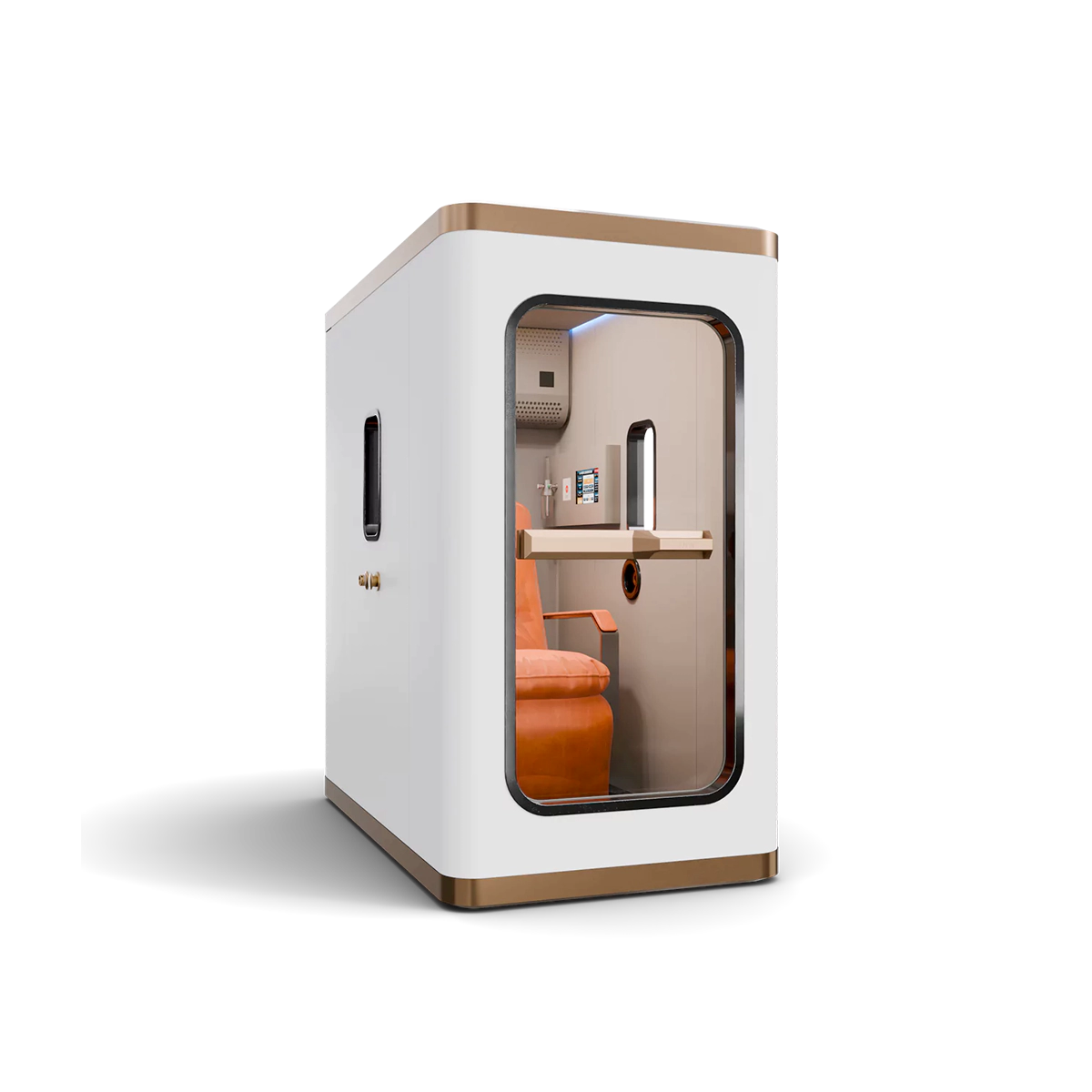
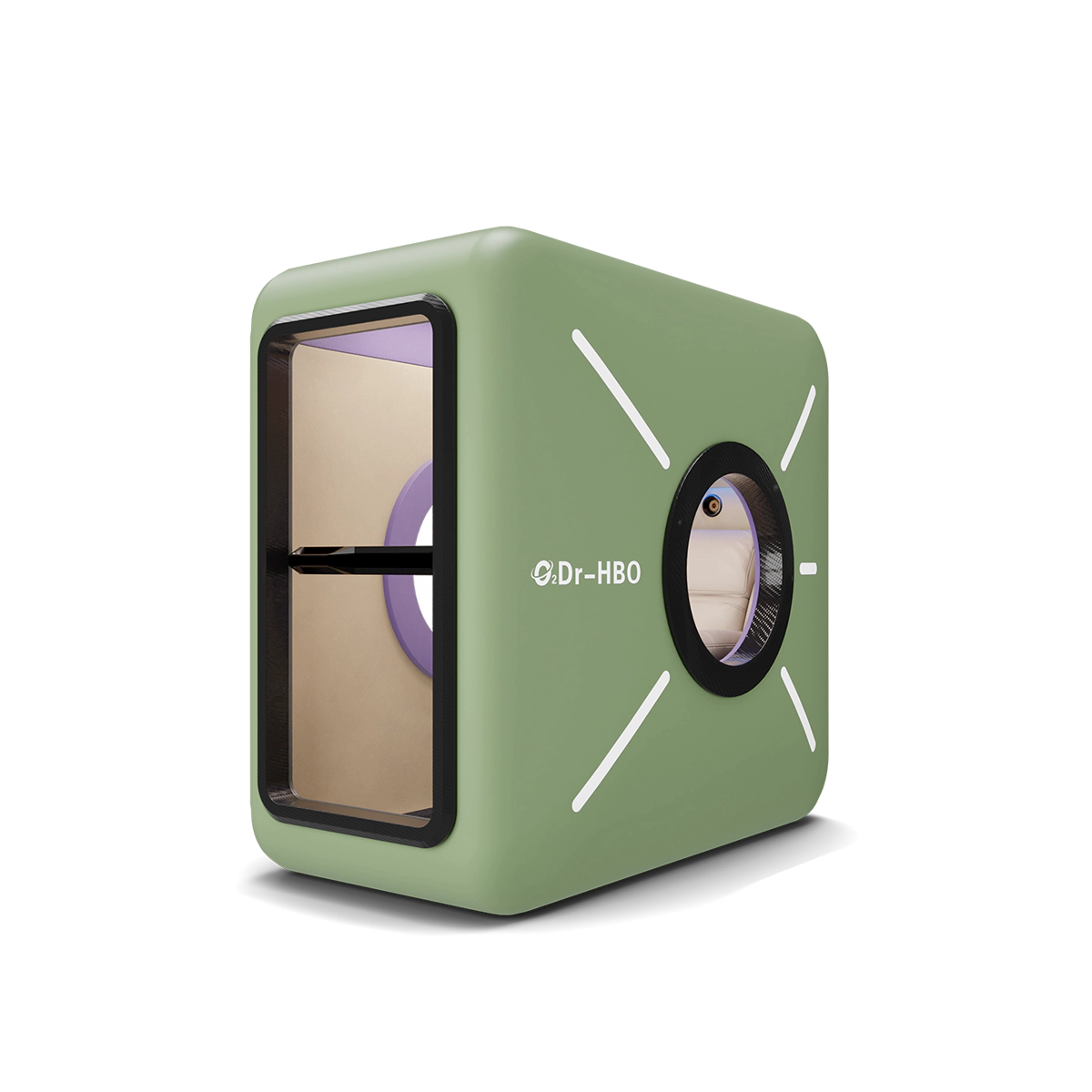
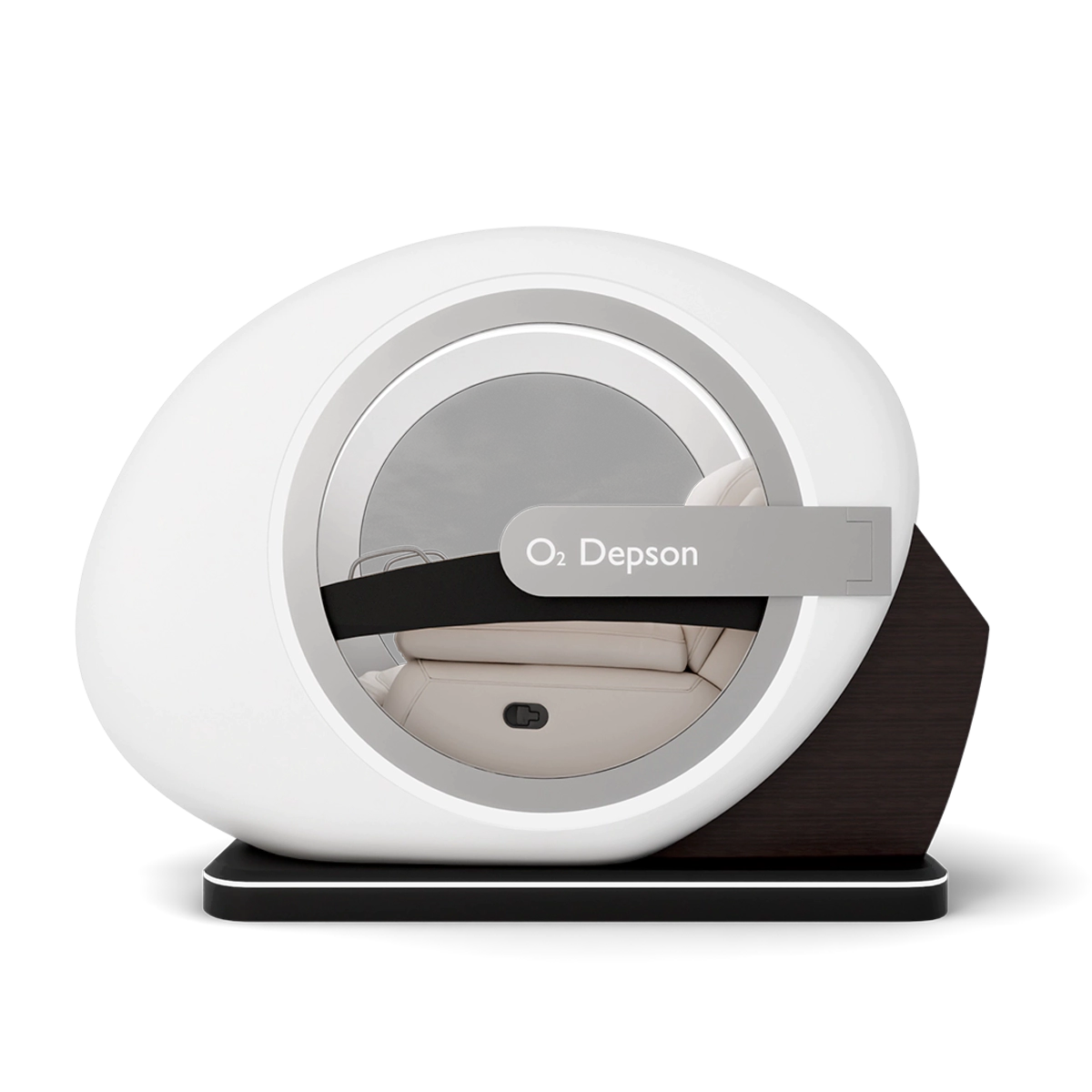
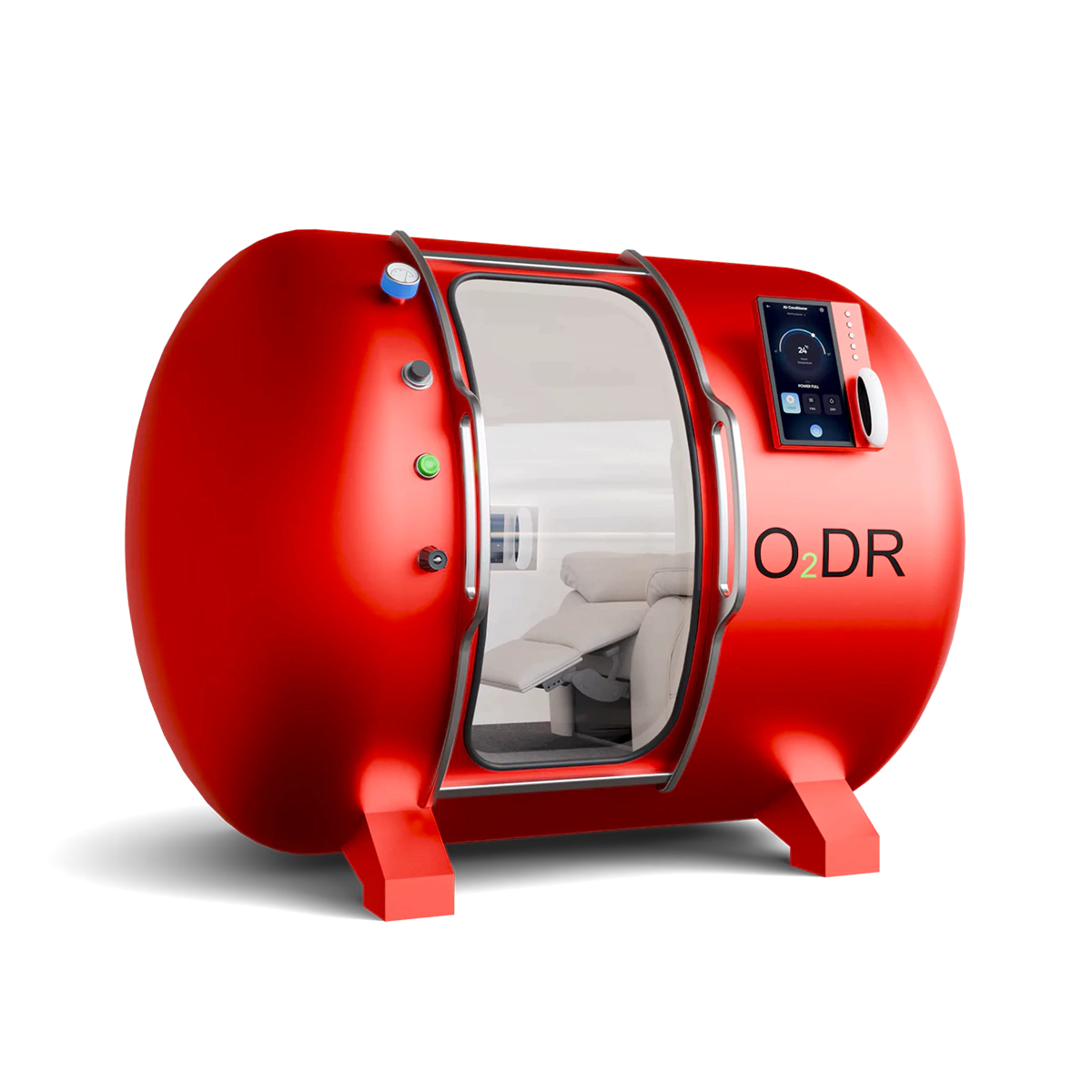
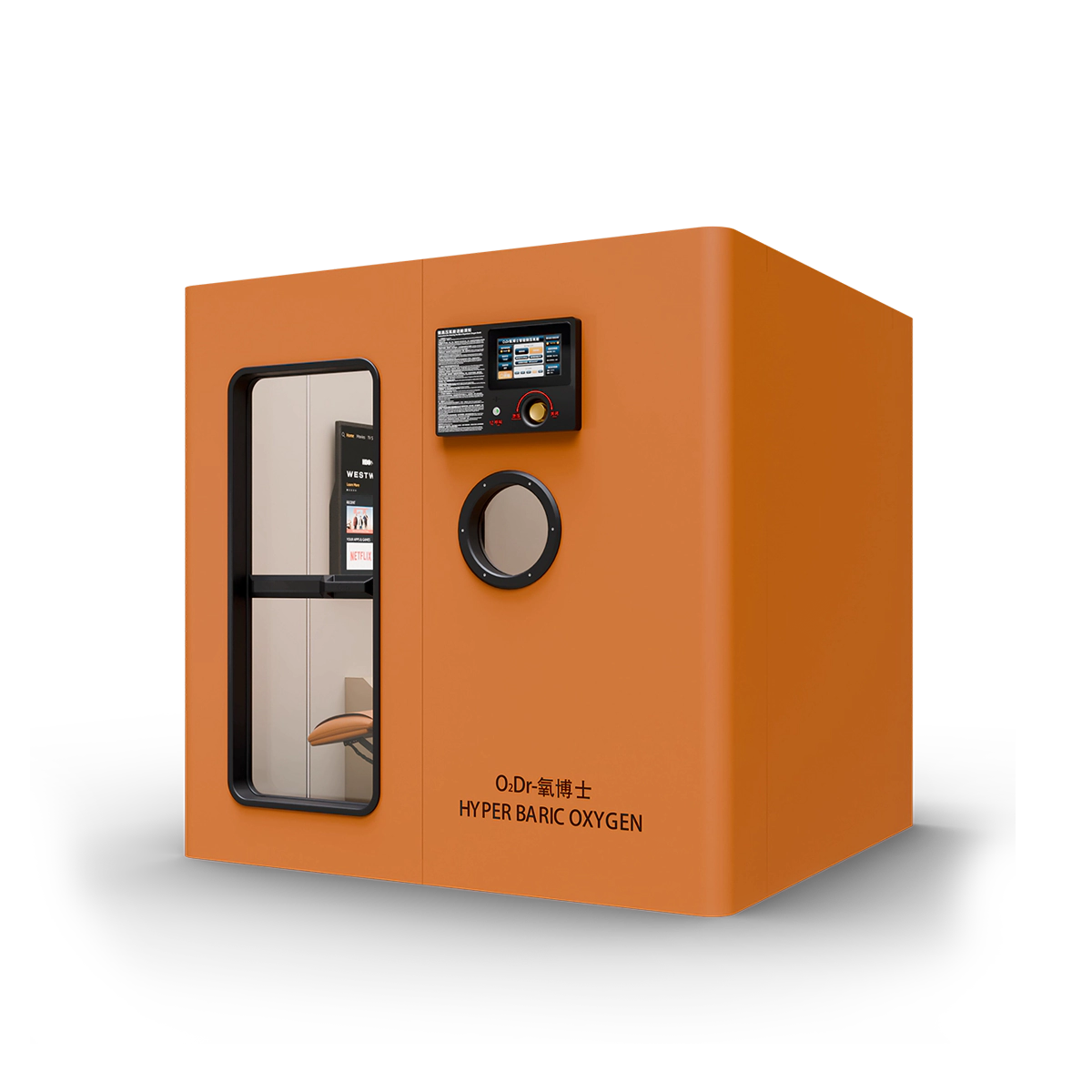
Five chambers, one engineering platform
Every chamber in this range is built on the same pressure vessel architecture, the same control electronics and the same safety stack. What changes between models is occupancy, cabin volume and the footprint the unit needs once it is installed. That makes the decision simpler than it first appears: you are not choosing between five different technologies, you are choosing the size that matches how often the chamber will run and how many people will be inside it.
All five run at mild hyperbaric pressure, between 1.7 and 1.75 atm, and all five hold oxygen concentration at 80% or above. The differences that matter commercially are floor loading, cabin volume and session throughput.
Three questions decide the model
How many people per session? Three models take one person at a time and two take two people at once. If your business sells sessions by the hour, a dual-occupancy cabin roughly doubles throughput without doubling the footprint or the staffing cost.
What will the floor take? Unit weights range from 200 kg to 2,000 kg. A weight of two tonnes usually means ground-floor placement or a structural assessment before delivery. A 200 kg unit can go into a treatment room on an upper floor without any building work.
How hard will the chamber work? A chamber running two sessions a day has different requirements from one running twelve. For continuous commercial operation, the deciding factors are cooling capacity, door wear and the duty cycle of the compressor rather than the cabin size.
Model comparison at a glance
| Model | Users | Volume | Oxygen | Max pressure | Dimensions (mm) | Weight |
|---|---|---|---|---|---|---|
| AURA One | 1 | 3.3 m³ | ≥ 80% | 1.7 atm | 1800 × 1000 × 1850 | 800 kg |
| NEPTUNE Flow | 1 | 4.3 m³ | ≥ 90% | 1.7 atm | 1170 × 2000 × 1850 | 200 kg |
| LUMINA One | 1 | 4.3 m³ | ≥ 90% | 1.7 atm | 1170 × 2000 × 1850 | 600 kg |
| TITAN Duo | 2 | 8.2 m³ | ≥ 90% | 1.7 atm | 2080 × 1980 × 2000 | 2,000 kg |
| POLARIS Duo | 2 | 7.3 m³ | ≥ 90% | 1.75 atm | 2300 × 1780 × 1700 | 500 kg |
Single-occupancy chambers
AURA One — the flagship home unit
The AURA One is the model most often specified for private use: personal recovery, senior wellness programmes and daily rehabilitation at home. It has the largest single-occupancy cabin in the range at 3.3 m³, a low-entry door so users with limited mobility can step in without assistance, and acoustic treatment that keeps operating noise low enough for a residential room. At 1.7 atm and 80% oxygen it delivers a genuine mild hyperbaric session rather than a soft-shell approximation.
NEPTUNE Flow — the portable option
The NEPTUNE Flow weighs 200 kg, which puts it in a different category entirely. It can be moved between rooms, installed on an upper floor, or repositioned as a studio layout changes. Pressurisation takes five to fifteen minutes, and the 4.3 m³ cabin holds 90% oxygen. Therapy centres and wellness studios choose it when installation flexibility matters more than cabin volume.
LUMINA One — built for skin and beauty
The LUMINA One is configured for beauty salons, spas and skin wellness clinics. Internally it shares the 4.3 m³ cabin, 90% oxygen and 1.7 atm ceiling of the NEPTUNE Flow; what differs is presentation and the ambient lighting package, because in a spa the chamber is part of the treatment experience rather than a piece of clinical equipment in a back room.
Two-person chambers
TITAN Duo — maximum throughput
The TITAN Duo is the largest unit we build: an 8.2 m³ cabin, two users per session, 90% oxygen and 2,000 kg of engineered mass. It is specified by clinics and recovery centres where the chamber runs continuously and downtime has a direct revenue cost. Everything about the build is chosen for commercial duty rather than domestic use.
POLARIS Duo — high volume, lighter footprint
The POLARIS Duo solves the same problem differently. It carries two users, holds 7.3 m³, reaches 1.75 atm — the highest pressure in the range — but weighs 500 kg instead of two tonnes. For fitness centres and wellness resorts that want dual occupancy without reinforcing a floor, it is usually the practical answer.
What every model includes
Safety and control hardware is common across the range, not an upgrade path:
- Triple pressure relief valve — three independent paths for pressure release, so a single valve failure cannot trap a user at pressure.
- 4G emergency call — a distress signal is sent to your monitoring contact in real time if the user cannot operate the controls themselves.
- Automatic fire suppression — triggered by smoke or temperature sensors, with manual activation on site or remotely for routine testing.
- Intelligent control panel — session presets, pressure ramping and fault reporting from a single touchscreen.
- Air conditioning — cabin temperature control, which matters more than most buyers expect during a 60-minute session.
- Ambient lighting and easy-access door — designed for claustrophobic users and for clients stepping in and out between sessions.
Matching a chamber to your setting
The same question gets a different answer depending on where the unit is going:
- Home or residential — AURA One. One user, low noise, low entry door, 800 kg spread across the floor plate.
- Spa, salon or skin clinic — LUMINA One. Single occupancy with the presentation a beauty client expects.
- Therapy centre with changing layouts — NEPTUNE Flow. 200 kg, movable, fast pressurisation between clients.
- High-volume clinic or recovery centre — TITAN Duo where the floor can carry two tonnes; POLARIS Duo where it cannot.
- Fitness centre or wellness resort — POLARIS Duo. Dual occupancy, 500 kg, 1.75 atm.
- High-altitude or remote sites — NEPTUNE Flow, because weight and installation complexity dominate every other consideration at altitude.
Next step: specification sheet and quotation
If you already know your occupancy and floor loading, the fastest route is a quotation request with your site details, intended use and target session volume. We will confirm the model, the electrical configuration for your region, the certification documentation your market requires, and the shipping schedule to your port.
If you are still deciding between two models, the comparison guide walks through the trade-offs in more detail, and the use-case guide maps each model to a specific operating environment.